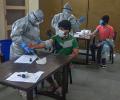
At present, the cost of testing for COVID-19 is Rs 4,500 per examination and the results are available within 24 hours. Almost 90 per cent of queries fizzle out after patients realise the cost of testing will not be borne by the government.

Medicines that fall under Schedule H category (class of prescription drugs) would be provided against a valid prescription that can be submitted either physically or over e-mail. Narcotics, psychotropics and controlled substances, though, cannot be delivered.

Retailers and multiplex operators want mall owners to either forgo rent for the period of the shutdown or lower rent in the event the mall is open but footfalls are low.

Employees asked to work from home... cancelled travel plans... curtailed meetings... Caution and precaution dominate Corporate India's response to Covid-19.

'There is a clear business impact. People are avoiding crowded places and gatherings across cities. This is hitting business, both at traditional and modern trade outlets, during the Holi season, which kicked off from Saturday,' says Praveen Khandelwal, general secretary, Confederation of All India Traders (CAIT).
Exports of 13 APIs - including paracetamol, tinidazole, metronidazole, vitamin B1, vitamin B6, vitamin B12, acyclovir, progesterone - along with formulations made from these APIs, would be restricted.

The patent application for 'System and method for wearable electronic devices', filed in 2007, mentions various wearable models including a shoe that can communicate data to the user, electronic communication devices attached to clothes, wireless ear pieces and ankle bracelets that can transmit updated information from the body to the user. The drawings the company submitted to the patent office also show the design of a shoe that can be a wearable electronic device.

Big pharma companies, however, said while it was true that formulation players would not rush to buy raw material, they could not afford losing customers.

The Duff & Phelps report shows that Virat Kohli has increased his brand value by 40 per cent to $237.5 million in 2019 and taken a huge lead with his closest rival, Akshay Kumar, ranked second.

Boeing 737 MAX planes were globally grounded in March 2019, after two of these crashed within five months, raising safety concerns.
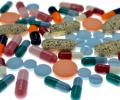
Indian pharmaceutical companies are heavily dependent on China to source fermentation-based active pharmaceutical ingredients and intermediates to manufacture these medicines, but the coronavirus outbreak there has disrupted the supply.
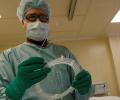
The new regime aims to bring in ease of doing business, as the NITI Aayog has proposed to do away with the need to have manufacturing licences to register medical devices or to get a certificate of compliance.

As fear grips the world, demand for protective gear used by health care professionals and citizens is on a rise. And, supply disruption from China has opened a window of opportunities for Indian medical device makers.

In 2019 investors backed some of the major online healthcare and pharmacy retailers, with PharmEasy leading the deal list. The firm raised funds through the year to bring in around $220 million and the round is yet to be concluded, according to Venture Intelligence data.

Reiterating its position, TRAI, which oversees both the telecom and television sectors in the country, said the amendments suggested on January 1 had been done to correct "distortions" in the market and address pricing issues.
At least two key drugs in the gliptin category have already gone off patent and cheaper variants are crowding the market. Also, several patent expiries are round the corner for the newest category of drugs - SGLT-2 inhibitors or gliflozins.

'If you look at the Number 1 film in India this year across Bollywood and other regional film industries, it is Avengers: Endgame.'

PharmEasy, 1mg and Netmeds believe that their disruptive capabilities will power their brands despite the recent court ruling. The Drug Controller General of India recently directed all state FDAs to stop the online sale of medicines as per a Delhi high court order of last year.
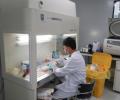
Concerned about the rise of antibiotic resistance and the time it takes for drugs developed abroad to reach Indians, the government is considering holding its own clinical trials. Clinical trials for new drugs have so far primarily been conducted only by private Indian or foreign drug firms. But given the stringent nature of India's regulatory environment for clinical trials, several pharmaceutical companies have moved their trials out of India. As a result, only 1.2 per cent of global clinical trials take place in India.
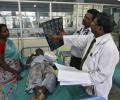
According to a senior government official, the plan is to do "collective bargaining" for certain medical devices and implants by assuring a bulk requirement to the manufacturers. "The requirement for these devices runs into millions. We assure them that the requirement is going to be in bulk. In return, they should offer us better rates," he said.
 © 2026 Rediff.com - Investor Information - Advertise with us - Disclaimer - Privacy Policy - Sitemap - Feedback - About us - Terms of use - Grievances